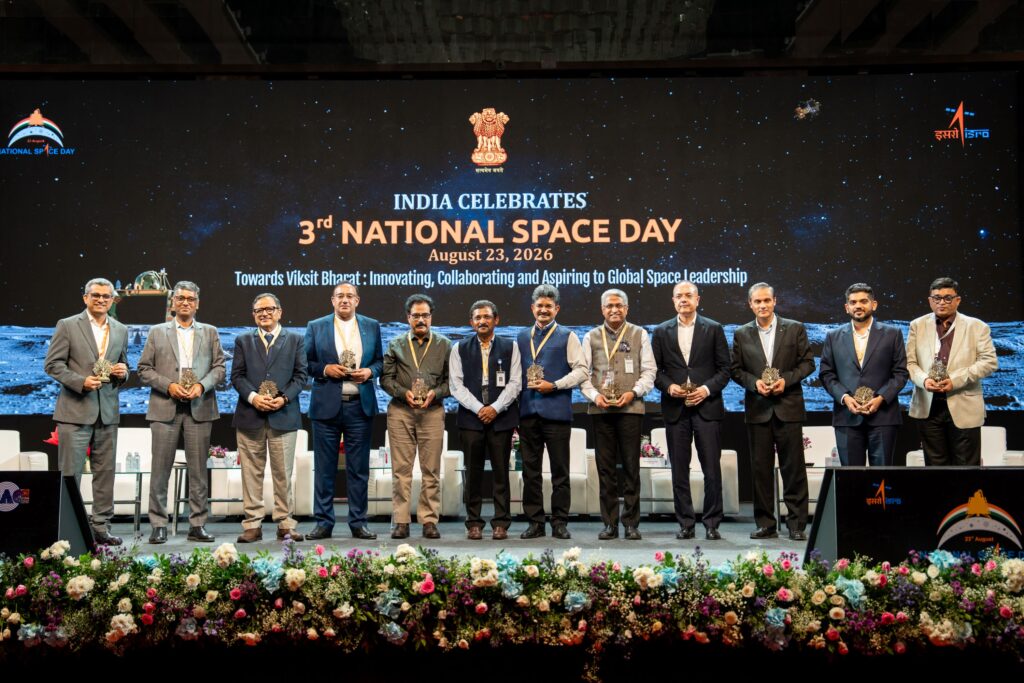
Greater collaboration between satellite operators, mobile operators and governments will be critical to building standardised and sustainable connectivity networks and expanding access to connectivity in areas where terrestrial networks are unavailable, said Gautam Sharma, Managing Director, Viasat India. Speaking at the panel discussion “New Horizons of Global Alliances in Space Sustainability” on the sidelines of the 3rd National Space Day celebration in Ahmedabad, Sharma highlighted the role of global alliances in driving sustainable satellite connectivity and enabling more interoperable networks. The National Space Day event was organised by the Space Applications Centre, ISRO, Ahmedabad.
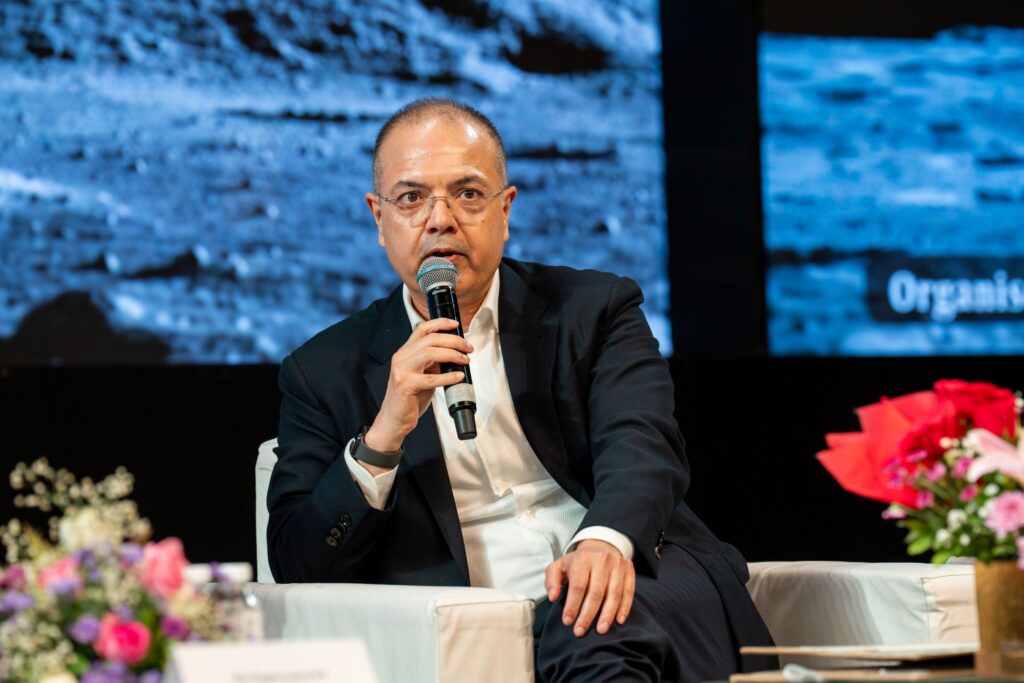
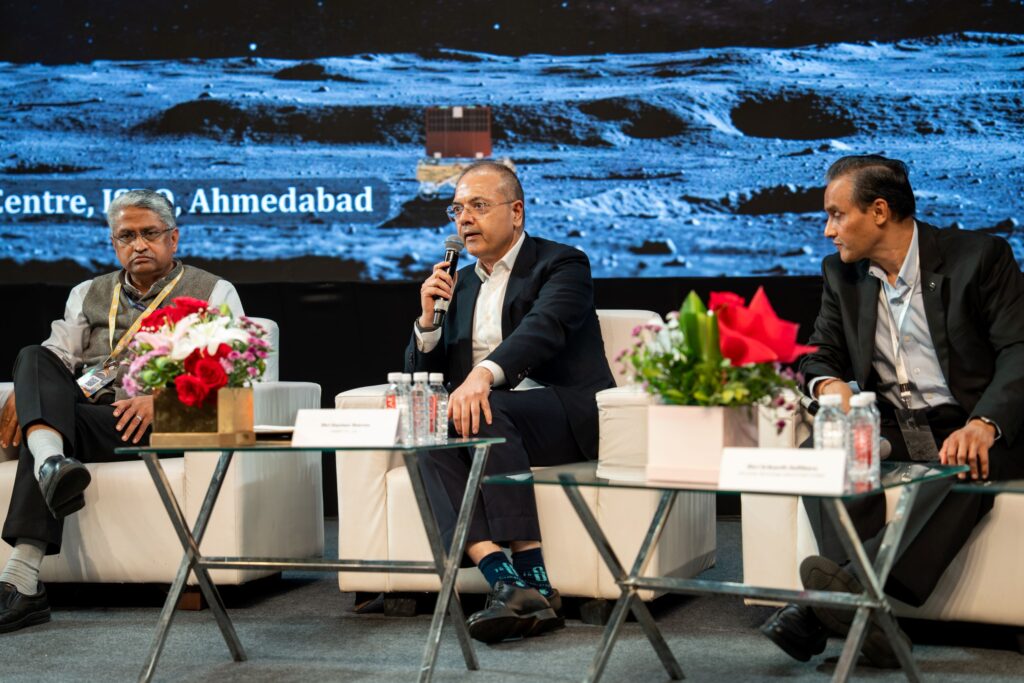
Viasat is a global satellite communications company providing connectivity services across aviation, maritime, government and other critical sectors, with a presence in nearly 73 countries. Speaking about Viasat’s focus on sustainability and the need for greater industry collaboration, Sharma said, “As Viasat, we strongly believe in sustainability and standardisation. These are two important things where we focus. Viasat, along with 130 organisations, are part of initiative ESSI, i.e., Earth & Space Sustainability Initiative. It is becoming very critical for the private industry to step in.”
On the objective of the alliance and the role of standardised infrastructure, he said, “Equatys, which is intended to be an entity between Viasat and Space42, a company from the UAE, is aimed at building a standardised network rather than having silo networks. The network is based on the common standards of 3GPP Release 17, so that the existing terminals can seamlessly connect to NTN networks. This is one very good example of two operators coming together rather than building silo networks, setting up a common infrastructure, standardised infrastructure and sustainably using spectrum as well as orbital resources. This alliance gives access to 100 megahertz of spectrum, and as of today, almost 400 mobile operators worldwide hold contracts with this entity. It means, almost a billion-plus people, will be able to use connectivity in areas where the cellular connectivity is not available. These kind of alliances will be very useful going forward. This is open for other operators and countries as well in case they want to join this alliance, assuring that the sovereign requirements are taken care of in this case.”
Sharma also highlighted the role of mobile operators and the importance of connectivity for end customers, saying, “This also strengthens the mobile operators. They are the ones who actually have huge investments and continue to own the end customer. For a customer, connectivity is critical. What matters is having seamless and reliable connectivity, whether it is delivered through terrestrial or non-terrestrial networks. We are also engaged with mobile operators in India on this.”
Moving from the commercial alliance to Viasat’s broader efforts to encourage innovation for sustainability, Gautam Sharma highlighted the company’s ‘Space for Good’ initiative, saying, “The idea was to encourage students to come up with sustainable ideas which actually help to improve life on Earth, which was quite successful. Last year, we expanded beyond UK to India and the US, with thousands of students who participated from different universities, mentored by industry leaders. This year, we are further expanding it to Australia. The India part has already started. Thousands of students have participated, with 30 to be shortlisted this week. On September 6th, six finalists will be selected and mentored by industry leaders, with the finals scheduled for October 27th in Delhi. These kinds of opportunities actually help the industry to come up with really great ideas for tomorrow.
Prashant Chaudhary

An android fan and A Computer Engineer who fell in love with the world of Internet Marketing. Worked on different SEO techniques for small to large Internet properties at Initial days of my Career. I am in love with my passion for Blogging and running several blogs in variety of category.